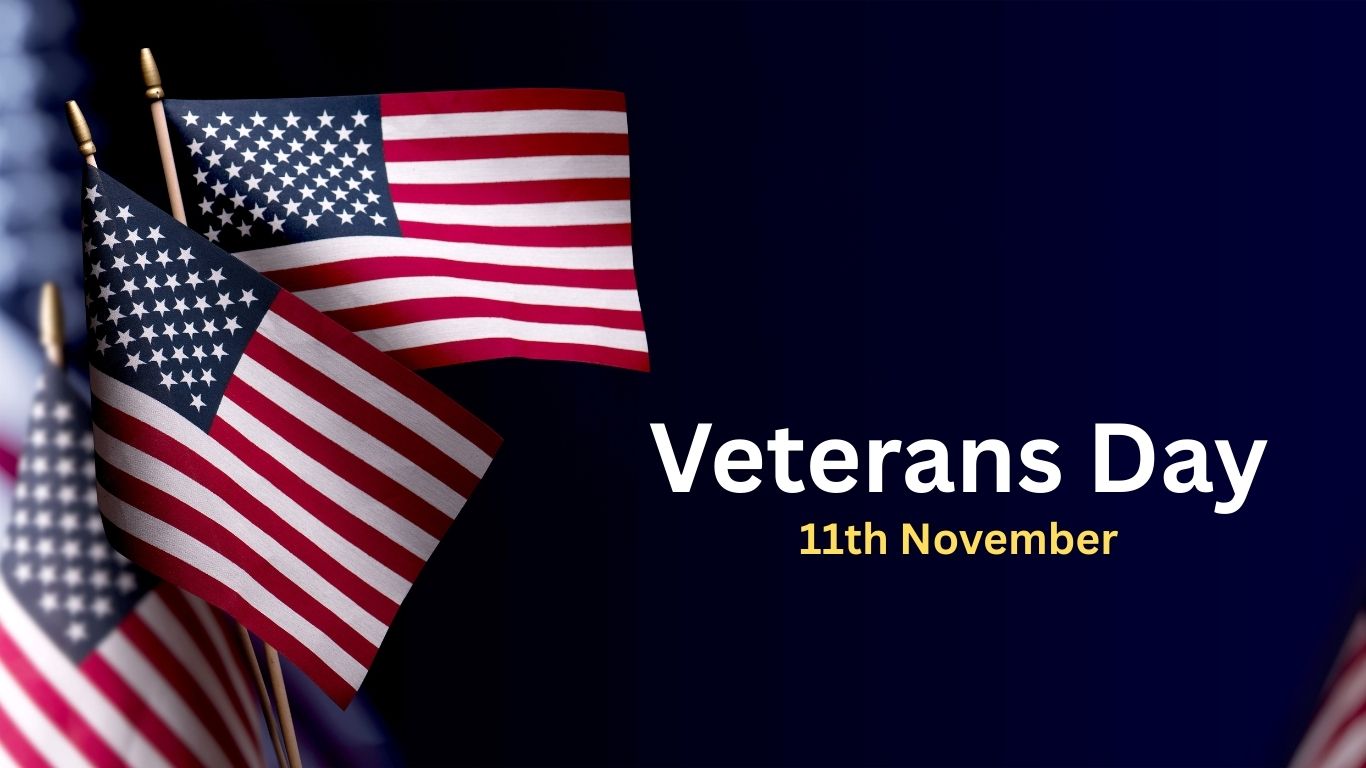
For different countries, Veterans Day may be just another November date, but beneath the public ceremonies and holiday closures lies a profound culture and historical legacy, one that reflects not just remembrance, but identity, gratitude, and the collective promise of a Nation to honor those who answered the call of service.
The day is not simply a mark of who veterans are it is. We have already covered in previous blogs, but a national acknowledgment of what service means to a society, and remembering that it matters.
We will go deep into what this day represents. How it shapes National consciousness and why it deserves more than a passing nod once a year.
A Beginning That Endures
If you want to understand Veterans Day, travel back to a moment when the world seemed on the brink of permanent peace. A moment that would tragically prove too hopeful.
On the 11th hour of the 11th day of the 11th month in 1918, fighting in the First World War, the Great War ceased. An armistice was signed between the Allied Nations and Germany marking the end of what had been the most widespread and devastating conflict the world had ever seen. This was not just an end of hostility in the minds of many. It was a turning point, a new era that might finally bring lasting peace.
Just after one year, in 1919, November 11th was observed for the first time in the United States. A day to honor those who served and to reflect on the hope of peace that the war’s end symbolized.
This context is crucial. Veterans Day does not begin as a sterile Holiday or civil convenience? It begins at a moment of both triumph and tragedy. An end to catastrophic violence paired with an urgent collective yearning for peace.
From Armistice to Veterans Day A Shift in Meaning
In the early days, the holiday was focused exclusively on veterans of World War I. But the world did not stay peaceful for long with the emergence of new conflicts, such as the Korean War and World War II. The scope of service expanded. The growing sacrifices of soldiers across different conflicts made it clear that remembrance needed to be broader and more inclusive.
In 1954, the United States Congress amended the original Armistice Day legislation, striking Armistice from the name and replacing it with veterans, thereby transforming the day into a holiday that honored veterans of all four wars and all service periods, not only those of World War I. An official proclamation followed for the President Delight D. Eisenhower, reinforcing the border scope of recognition.
The change was more than symbolic. It reflected a shift in how the nation viewed military service, not as a one-time historical event, but as a continuous thread woven through the nation’s identity. Veterans Day acknowledges that service does not belong to a single generation but to generations.
There are some misconceptions about Veterans Day…..
What Veterans Day is Not?
It really matters because before we define what Veterans Day is, it is important to clear up what it isn’t. Not in a dismissive Way but because misunderstanding diminishes its meaning.
Veterans Day is not Memorial Day: This is a common confusion. Memorial Day, observed in May, is specially dedicated to honoring those who died while serving in the military, and Veterans Day. On the other hand, honors all who served, whether they are alive or deceased, whether they served in war time or peace time.
Veterans Day is not just a day off: Yes, it is. A federal holiday and federal offices and many banks close on November 11th, but that closure is not the essence of the observance. The day exists, not just for convenience, but for a civil act of remembrance and gratitude.
Veterans Day is not about celebrating War: Veterans Day honors service and sacrifice not not the glamorization of conflict. The military exists to protect National security, but Veterans Day is about appreciating the human cost of that protection. The willingness to serve off and without guarantee of safety or recognition.
But remember, understanding what the day is not helps clarify what it actually is.
So What is Veterans Day Really?
As it is, core Veterans Day is a national tribute to service duty, sacrifice, and identity, not just for the military but for the nation as a whole.
A Day of Gratitude
Veteran’s Day is an occasion for a country to formally express its gratitude to those who have served. It is not limited to battlefield valor; it includes every form of service that contributes to National defense and security.
Whether a veteran served in a major conflict or in a quiet peace keeping role, the day stands as a collective. Thank you from a nation to its defenders.
A Bridge Between Generations
For older generations whose sacrifices are already part of public memory and for younger generations whose personal experiences of War may be absent. Veteran’s Day becomes a link between the past and the present. Schools, communities, and families use the day to transmit stories of service, resilience, and patriotism.
A Moment of Reflection
Veteran’s Day is also an opportunity for introspection. It invites Americans to reflect on what freedom, security, and service really mean. Not as abstract concepts but as tangible realities shaped by human choices and sacrifices.
A Renewed Social Contract
The day reinforces a social promise that veterans will not be forgotten and that their service will be respected. For generations of Americans, that promise has been expressed through ceremonies, parades, Flag replacements in memorial speeches across the country.
Innocence Veterans Day is not only an act of remembrance, it is a reaffirmation of our values and responsibilities.
Why Veterans Day Still Matters Today
Veterans Day remains relevant for several reasons:
- It keeps history alive: As time moves forward and direct memory of major wars fades, Veterans Day acts as a historical anchor, linking today’s citizens with past sacrifices.
- It honors diverse forms of service: Service takes many forms combat roles, support positions, intelligence, medical, and humanitarian work. Veterans Day recognizes all these contributions.
- It bridges civil military divides: In a society where many citizens never interact with active duty service members, Veterans Day provides a space for connection, appreciation, and understanding.
- It Affirms Shared Values: The holiday embodies fundamental values, courage, duty, and selflessness that transcend political differences and unify people in respect for those who serve.
Veterans Day is more than a date on the calendar or a federal holiday. It is a living tradition a moment when a nation stops to recognize, remember, and revere the people who have worn its uniform and protected its freedoms.
This day stands as a testament not just to individual service but to a collective promise that those who serve will not be forgotten, that their sacrifices are remembered, and that the idea of service will continue to inspire future generations.
For veterans and civilians alike, Veterans Day is an opportunity not simply for gratitude but for reflection, connection, and shared purpose.